Monday, October 7, 2024

Explore the Crab Nebula (M1): Cosmic Wonder

The Crab Nebula’s central pulsar spins 30 times per second. This cosmic lighthouse in the Taurus constellation shows stellar evolution’s raw power. Its rich history and scientific importance are truly remarkable.

The Crab Nebula is a supernova remnant 6,500 light-years from Earth. Chinese astronomers spotted this stellar explosion in 1054 AD. It marked the death of a star ten times more massive than our Sun.

The nebula now spans 11 light-years and keeps growing. It expands at 1,500 kilometers per second. Scientists study its surroundings to learn about particle acceleration and cosmic rays.

This celestial object links past and present in fascinating ways. The Crab Nebula reveals secrets about stellar evolution through modern imaging techniques. It’s a cosmic time capsule, forever expanding and inviting exploration.

The Crab Nebula: A Celestial Marvel

Space holds many wonders, but the Crab Nebula stands out. It’s a captivating object in the constellation Taurus. This famous nebula amazes scientists and stargazers alike.

Discovery and Historical Significance

Chinese astronomers saw a bright supernova in 1054 AD. It stayed visible for almost two years. John Bevis rediscovered this cosmic wonder in 1731.

Later, Charles Messier cataloged it as M1. It became the first entry in his famous list of celestial objects.

Location in the Night Sky

The Crab Nebula sits in the Perseus Arm of our Milky Way. It’s about 6,500 light-years from Earth. You can spot it using binoculars or a small telescope.

Age and Size of the Nebula

The Crab Nebula is young, only about 950 years old. It’s expanding fast at 1,500 kilometers per second. Currently, it spans about 11 light-years in diameter.

The nebula’s heart has a pulsar spinning 30.2 times per second. It emits pulses across the electromagnetic spectrum.

Characteristic Measurement
Age ~950 years
Distance from Earth 6,500 light-years
Expansion Rate 1,500 km/s
Diameter 11 light-years

The Crab Nebula is historically significant and scientifically important. It’s one of the most studied objects in our night sky.

Its dust could create 30,000-40,000 Earths. This offers insights into stellar evolution and element formation in space.

The Birth of a Supernova Remnant

The Crab Nebula’s story starts with a massive star, ten times bigger than our Sun. This star lived briefly before its dramatic end. Its transformation into a cosmic wonder is truly fascinating.

The Original Star’s Characteristics

The star that created the Crab Nebula was a cosmic heavyweight. It burned fuel quickly, leading to stellar collapse. This process is common in type II supernovae.

The Explosive Event of 1054 AD

On July 4, 1054 AD, the star exploded in a spectacular supernova. Chinese astronomers saw a “guest star” visible even during daylight for 23 days. At night, it stayed visible for 653 days.

This explosion marked the star’s violent death and the Crab Nebula’s birth.

Formation of the Nebula’s Structure

The supernova set off events that still shape the nebula today. Powerful shock waves pushed material outward at 1,500 kilometers per second. These expanding gases form the nebula’s intricate structure of filaments and knots.

At its heart lies a neutron star, the dense remnant of the original star’s core. It’s only 28-30 kilometers wide but has a mass similar to our Sun.

“The Crab Nebula is a testament to the awesome power of stellar evolution and the dynamic nature of our universe.”

Crab Nebula (M1): Composition and Structure

The Crab Nebula, 6,500 light-years away, is an expanding shell of gas and dust. It showcases the aftermath of a stellar explosion. Its components create a mesmerizing picture of cosmic beauty.

A neutron star, only 6 miles across, sits at the nebula’s heart. This tiny powerhouse, the Crab Pulsar, emits radio waves 30 times every second. It generates energetic particles, forming knots and clouds within the nebula.

Intricate filaments and knots characterize the nebula’s structure. These hydrogen-rich filaments form a complex network in space. A bluish glow captivates observers, caused by synchrotron radiation.

The nebula emits visible light, X-rays, and gamma rays. X-ray energy output is 100 times greater than visible light. This multi-wavelength emission gives astronomers insights into the nebula’s processes.

The Crab Nebula keeps expanding at 1,800 km/sec. This growth shows the immense energy released during its formation. It serves as a cosmic lab for studying nebular components.

The Heart of the Nebula: The Crab Pulsar

The Crab Nebula’s core houses a fascinating cosmic object called the Crab Pulsar. This neutron star is a remnant of the supernova explosion. It’s a prime example of a rotation-powered pulsar with astounding properties.

Discovery and Properties of the Pulsar

Scientists discovered the Crab Pulsar in 1967, uncovering new insights into neutron stars. It’s only six miles across but packs incredible power. The pulsar sits 6,500 light-years away in the Taurus constellation.

It’s at the heart of the Crab Nebula, which spans 10 light-years wide. This celestial powerhouse amazes astronomers with its unique features.

Pulsar’s Energy Output and Rotation

The Crab Pulsar’s energy output is mind-blowing. It spins 30 times per second, creating strong magnetic fields. This rotation accelerates particles to extreme speeds.

Energetic particles spiral through the magnetic field, emitting light. This light powers the nebula’s inner glow, creating a stunning cosmic display.

Property Value
Rotation Rate 30 times per second
Size 6 miles across
Distance from Earth 6,500 light-years
Nebula Size 10 light-years across

The Lighthouse Effect

The Crab Pulsar puts on a spectacular light show. Its spinning beams of radiation create a lighthouse-like effect. Material streams away at half light speed, changing every few days.

This dynamic environment includes an equatorial wind and polar jets. These jets move along the pulsar’s rotation axis, adding to the cosmic spectacle.

Studying the Crab Pulsar across wavelengths reveals its complex nature. Hubble’s optical data appears yellow, Spitzer’s infrared shows red, and Chandra’s X-rays are blue.

These multi-wavelength observations help scientists understand pulsar emissions. They also shed light on how pulsars impact their surrounding nebulas.

Observing the Crab Nebula

The Crab Nebula is a cosmic wonder visible through telescopes. It’s about 6,000 light-years away in the Taurus constellation. This celestial marvel offers rich astronomical observations.

Space telescopes like Hubble have captured stunning images of the Crab Nebula. Even amateur equipment can spot this supernova remnant. Winter, especially January, is best for Northern Hemisphere viewers.

Multi-wavelength studies reveal the Crab Nebula’s secrets across the electromagnetic spectrum. Each wavelength, from radio to gamma rays, tells a unique story. These studies uncover different aspects of this fascinating cosmic object.

Wavelength Observable Features Instruments
Radio Synchrotron emission Radio telescopes
Visible Light Filamentary structure Optical telescopes
X-rays Pulsar and hot gas Chandra X-ray Observatory
Gamma rays High-energy particles Fermi Gamma-ray Space Telescope

The Crab Nebula’s heart is a neutron star pulsar. It spins 30 times per second. Large telescopes (16 inches or more) might let you see this cosmic lighthouse!

Scientific Importance and Research

Crab Nebula particle acceleration

The Crab Nebula is a goldmine for astrophysics research. It’s a natural lab for studying cosmic phenomena. Scientists use various telescopes to uncover its secrets across different wavelengths.

Multi-Wavelength Studies

Researchers gain insights into supernova mechanics by examining the Crab Nebula. Its expansion rate is 930 miles per second. The pulsar rotates 30 times per second, providing data on extreme cosmic conditions.

Insights into Stellar Evolution

New findings suggest the Crab Nebula formed from an electron-capture supernova. This differs from the previous type II supernova theory. It opens new paths for understanding stellar evolution and supernova types.

Particle Acceleration and Cosmic Rays

The Crab Nebula is key for studying cosmic rays and particle acceleration. Its high-energy emissions offer clues about these processes. The nebula’s role in multi-messenger astronomy is expanding our cosmic knowledge.

Aspect Data
Distance from Earth 6,500 light-years
Diameter 11 light-years
Pulsar Rotation 30 times per second
X-ray Energy Output 100 times more than visible light
Total Luminosity 100,000 solar luminosities

The Crab Nebula’s Magnetic Fields

The Crab Nebula’s magnetic fields never cease to amaze me. These fields, created by the central pulsar, shape the nebula’s structure. The pulsar is a spinning neutron star just 12 miles across.

It packs the Sun’s mass into a tiny space. Its powerful magnetic field interacts with the surrounding nebula. This interaction forms a pulsar wind nebula.

Magnetic field lines guide charged particles, causing synchrotron radiation. This blue radiation follows the field lines. It’s like a cosmic light show revealing invisible forces.

The Crab Nebula’s magnetic fields accelerate particles to extremely high energies. These particles contribute to cosmic ray production. This happens in an object only about 11 light-years wide.

The nebula’s magnetic fields explain its emissions across the electromagnetic spectrum. Each type of radiation reveals the nebula’s structure and dynamics. It’s a celestial lab for studying intense astrophysical processes.

Chemical Composition and Element Formation

chemical composition of Crab Nebula

The Crab Nebula’s chemical makeup reveals stellar nucleosynthesis. This oxygen-rich nebula shows complex element formation within stars. The original star’s life and death shaped today’s nebula.

Oxygen-Rich Environment

The Crab Nebula’s bluish color comes from its oxygen-rich environment. Studies show electron temperatures from 7,000 to 18,000 K. Hot gas, expelled at 1,700 km/s, creates a setting for ongoing chemical reactions.

Heavy Element Production

The nebula contains more than oxygen. It has hydrogen, helium, and heavy elements like iron. These formed in the original star’s core.

The star had about 9.5 to 10 solar masses. Its 1054 AD supernova explosion spread these elements, enriching space.

Contribution to Cosmic Element Recycling

The Crab Nebula helps recycle cosmic elements. It spreads materials that will form future stars and planets. Scientists map element distribution throughout the nebula.

They study helium, carbon, nitrogen, oxygen, and sulfur. This research shows how the universe’s chemistry evolves.

Element Origin Significance
Oxygen Stellar core Dominant element, gives blue color
Helium Stellar fusion Second most abundant element
Iron Supernova nucleosynthesis Indicator of stellar evolution
Nitrogen CNO cycle Varies across nebula

Evolution and Expansion of the Nebula

The Crab Nebula, born from a 1054 supernova, fascinates astronomers with its dynamic growth. It expands at 1,500 kilometers per second, about 0.5% of light-speed. This speed shows the immense energy driving the supernova remnant’s evolution.

Shock waves from the nebula’s interaction with space shape its structure over time. These waves, driven by the explosion and pulsar energy, create a unique cosmic look. The result is a stunning tapestry spanning 11 light-years.

Studies reveal the Crab Nebula’s rich composition of hydrogen, oxygen, and silicon. It also contains heavier elements, showcasing its role in cosmic element recycling. This mix comes from about 5 solar masses of material ejected during the supernova.

“The Crab Nebula is our cosmic laboratory, offering invaluable insights into stellar life cycles and the universe’s chemical evolution.”

The expanding nebula emits various types of electromagnetic radiation. It’s the brightest X-ray source in the sky above a certain energy level. The nebula also shines 75,000 times brighter than our Sun in ultraviolet light.

These observations help scientists understand particle acceleration in supernova remnants. They also provide insights into cosmic ray production in these stellar explosions.

Hubble Space Telescope Observations

The Crab Nebula fascinates me. The Hubble Space Telescope offers an incredible view of this cosmic wonder. It has changed how we see the nebula with its high-resolution imaging.

High-Resolution Imaging

Hubble has taken stunning pictures of the Crab Nebula. These images show details we couldn’t see before. We can now see a complex web of filaments and the central pulsar clearly.

Revealing Intricate Structures

Hubble shows the Crab Nebula as a mix of glowing gas and high-energy particles. At its center is a neutron star as massive as our Sun. This star spins 30 times per second, sending out energy beams.

Time-Lapse Studies of Nebula Expansion

Hubble’s long-term studies track the Crab Nebula’s growth over time. The nebula expands at about 1,500 kilometers per second. These observations help us understand how supernova remnants behave.

Hubble’s work on the Crab Nebula is amazing. It shows us the nebula’s complex structure and how it changes. This pushes our knowledge of space further than ever before.

Conclusion

The Crab Nebula (M1) is a cosmic lab that teaches us about the universe. It shows what happens after massive stars explode. Its spinning pulsar and complex filaments offer fascinating insights.

This celestial wonder has greatly influenced astrophysical research. Its emissions, from radio to X-rays, reveal its makeup and movements. The nebula’s expanding shell travels at 1,500 kilometers per second.

New tech improves our understanding of the Crab Nebula. The James Webb Space Telescope recently mapped its dust in great detail. This research enhances our knowledge of supernova remnants.

The Crab Nebula engages the public in science. It showcases the violent beauty of space. This celestial object promises endless discoveries in our vast universe.

Source Links

The post Explore the Crab Nebula (M1): Cosmic Wonder first appeared on Meteor Pad.


from
https://meteorpad.com/crab-nebula-m1/?utm_source=rss&utm_medium=rss&utm_campaign=crab-nebula-m1

from
https://meteorpad.blogspot.com/2024/10/explore-crab-nebula-m1-cosmic-wonder.html

Sunday, October 6, 2024

Captivating Cosmic Beauty: The Dumbbell Nebula (M27) Unveiled

Captivating Cosmic Beauty: The Dumbbell Nebula (M27) Unveiled - Introduction
Source: images.squarespace-cdn.com

Introduction

What is the Dumbbell Nebula (M27)?

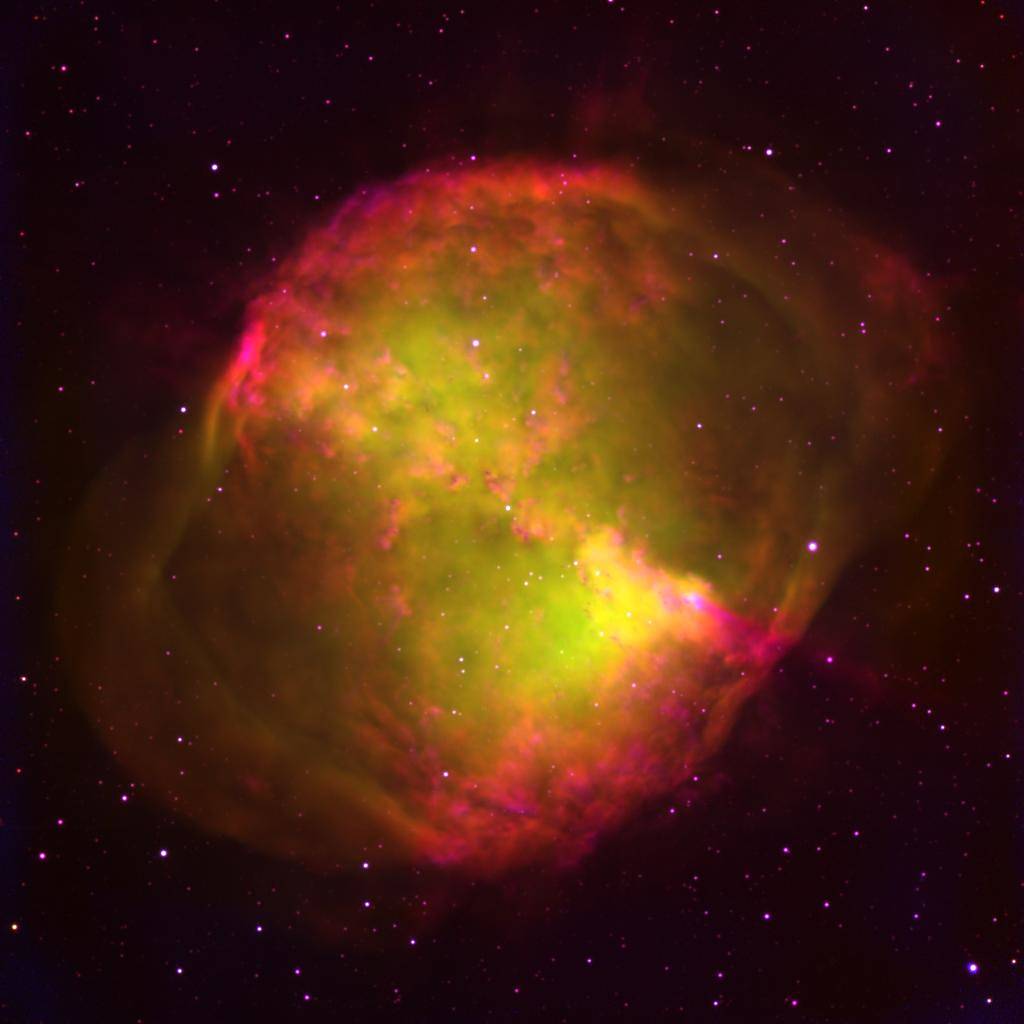
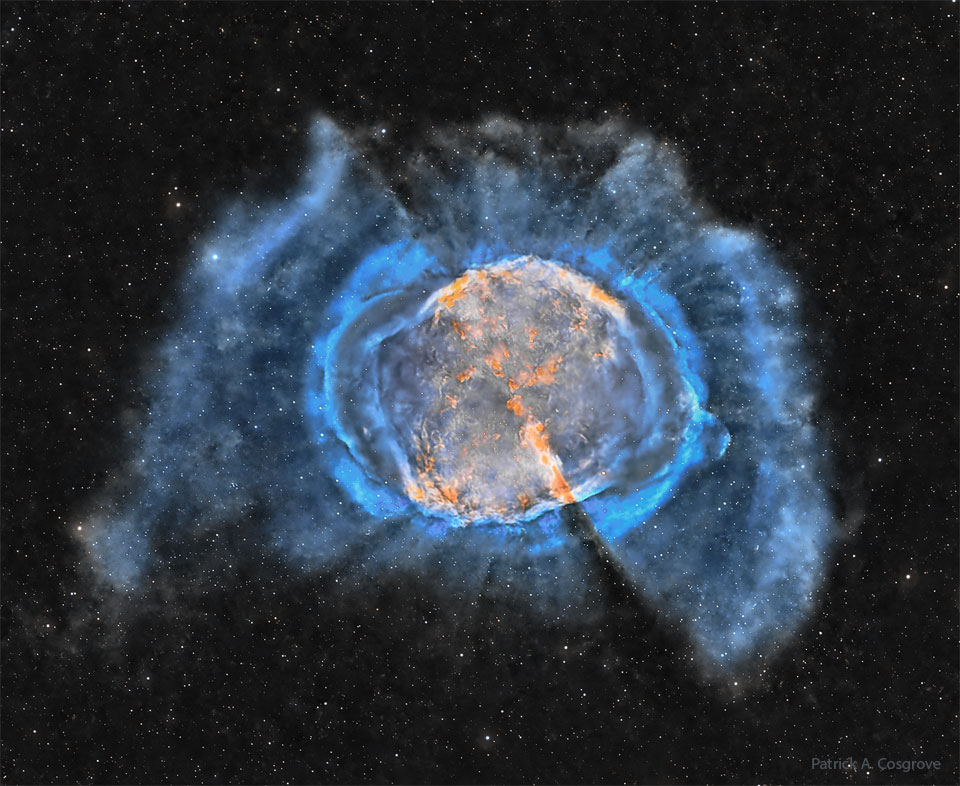
Ah, the glorious Dumbbell Nebula, or M27, is one of those celestial wonders that truly captures the imagination! Located in the northern constellation of Vulpecula, this beautiful planetary nebula is around 1,600 light-years away from us. It’s famously recognized for its unique shape, which resembles a dumbbell, hence the name.

Discovered by Charles Messier in 1764, M27 is a testament to the awe-inspiring beauty of our universe. This nebula is formed from the remnants of a dying star, shedding its outer layers as it transitions into a white dwarf, which is the future of our own Sun. With an apparent magnitude of around 7.4, it can be seen using small telescopes, making it a favorite among amateur astronomers like myself!

Significance of studying the Dumbbell Nebula

Studying the Dumbbell Nebula is significant for several reasons:

  • Understanding Stellar Evolution: It provides a detailed insight into the stages of a star’s life cycle, especially the transformation from a red giant to a planetary nebula.
  • Composition Analysis: The nebula contains a wealth of chemical elements, which helps astronomers assess the abundance of materials in the cosmos.
  • Astrophotography: Its bright colors and distinct shape make M27 a popular target for astrophotography enthusiasts. I remember my first attempt to capture it with my telescope – what an exhilarating experience it was!

Exploring the Dumbbell Nebula uncovers the dynamic processes of the universe, and every observation offers a new opportunity to connect with the cosmos. With modern tools and technologies, we’re just starting to scratch the surface of what this exquisite nebula can teach us about the stars and beyond.

Captivating Cosmic Beauty: The Dumbbell Nebula (M27) Unveiled - Discovery of the Dumbbell Nebula
Source: www.nasa.gov

Discovery of the Dumbbell Nebula

Historical background

Transitioning from the wonder of the Dumbbell Nebula, let’s dive into its fascinating discovery. The journey of unraveling the mysteries of M27 began in 1764 when the French astronomer Charles Messier first documented this celestial gem. While exploring the night sky, Messier stumbled upon this magnificent nebula. It became the 27th entry in his famous catalog, which aimed to document objects that could easily be mistaken for comets.

Imagine the night he first gazed upon the Dumbbell Nebula—it must have been awe-inspiring! As telescopes were rudimentary at that time, the clarity and colors of M27 were no doubt mesmerizing. Since then, the nebula has been a constant source of fascination for astronomers, prompting further observations and detailed studies.

Important findings

Once discovered, the Dumbbell Nebula opened up a wealth of knowledge about stellar evolution. Here are some key findings that have emerged over the years:

  • Planetary Nebula Stage: M27 is classified as a planetary nebula, providing insights into the transition phase of stars similar to our Sun.
  • Chemical Composition: Studies have revealed an intricate mix of elements, including hydrogen, helium, and heavier elements like oxygen and nitrogen, all expelled from the dying star.
  • Expansion Rate: Observations have shown that M27 is expanding at a rate of about 0.2 arcseconds per year, a critical piece of information for understanding its age—approximately 10,000 years!

Each discovery about the Dumbbell Nebula has added yet another layer to our understanding of the life cycles of stars and the dynamics of the universe, leaving astronomers like myself eager for more revelations as we explore this cosmic wonder!

Captivating Cosmic Beauty: The Dumbbell Nebula (M27) Unveiled - Structure and Composition
Source: static1.squarespace.com

Structure and Composition

Characteristics of the Dumbbell Nebula

Continuing our journey through the captivating realms of the Dumbbell Nebula, let’s explore its fascinating structure and composition. The Dumbbell Nebula, with its striking bilobed shape, showcases a unique architecture that is both intricate and visually stunning. As I view images of M27, I’m often struck by the glowing gas that appears to swirl around the central star, creating a captivating cosmic dance.

Some prominent characteristics include:

  • Bipolar Structure: Its lobes extend outward, revealing a symmetrical design that resembles dumbbells or even hourglasses. This structure is indicative of the processes that led to its formation.
  • Bright Halo: The surrounding halo of gas creates a vivid, luminous envelope that gives the nebula its bright and colorful appearance.
  • Central Star: At the heart of M27 lies a rapidly dying star, a white dwarf, which contributes significantly to the illumination of the surrounding gases through its intense radiation.

Elements present in the nebula

Now, let’s discuss the fascinating elements in the Dumbbell Nebula! Analyzing the composition of M27 gives us invaluable insights into the lifecycle of stars and the universe’s building blocks.

The nebula is predominantly composed of:

  • Hydrogen: The most abundant element, providing the foundation of the nebula’s structure.
  • Helium: A significant contributor to the overall mass, assisting in the balance of ionized gases.
  • Oxygen and Nitrogen: Heavier elements observed in the nebula, which were expelled from the central star as it shed its outer layers.

These elements tell the story of a star’s evolution, revealing the cosmic alchemy that occurs before, during, and after a star transitions into a planetary nebula. I find comfort in knowing that each observation and analysis enriches our understanding of the universe, inviting us to dive deeper into the wonders of celestial phenomena like the glorious Dumbbell Nebula!

Captivating Cosmic Beauty: The Dumbbell Nebula (M27) Unveiled - Observation and Study
Source: apod.nasa.gov

Observation and Study

Tools and technologies used for observation

As we shift focus onto the observation and study of the Dumbbell Nebula, I can’t help but marvel at the evolution of astronomical tools and technologies. Observing M27 is an exhilarating experience, whether you’re using professional-grade equipment or just peering through a small telescope. Each tool contributes to unveiling the secrets hidden within this gorgeous nebula.

Here are some key instruments and technologies that astronomers have utilized:

  • Telescopes: From simple amateur setups to advanced observatory telescopes, these instruments allow us to magnify and capture the details of M27. I remember, during one clear night, how my small telescope revealed the bright central star like a diamond amidst the nebula’s colorful glow!
  • Hubble Space Telescope: This powerful observatory has provided breathtaking images and data, offering incredible clarity and insights into the nebula’s structure and dynamics.
  • Spectroscopy Tools: These technologies analyze the light emitted by M27, helping researchers identify its elemental composition and physical properties.

Research and studies on the Dumbbell Nebula

The Dumbbell Nebula has been subject to numerous research studies, pushing the boundaries of our understanding. Scholars and amateur astronomers alike have contributed to documenting findings related to M27. Some notable areas of research include:

  • Expansion Studies: Researchers have measured the expansion rate of M27, helping us understand its age and the processes that shape its structure.
  • Stellar Evolution: Many studies focus on how M27 reflects the life cycle of stars, notably how it transitions into a white dwarf after shedding its outer layers.
  • Astrophysical Simulations: Advanced computer models simulate the dynamics within M27, providing insights into its formation and the interactions of the expelled gases.

The more we observe and study the Dumbbell Nebula, the more we realize how much it can teach us about our universe’s history and the life cycles of stars. With every new finding, I can’t help but feel a deeper connection to the cosmos and a sense of wonder at the mysteries that await us!

Captivating Cosmic Beauty: The Dumbbell Nebula (M27) Unveiled - Astronomical Significance
Source: images.squarespace-cdn.com

Astronomical Significance

Role of the Dumbbell Nebula in understanding stellar evolution

As we delve deeper into the astronomical significance of the Dumbbell Nebula, it becomes clear that M27 plays a pivotal role in our understanding of stellar evolution. Observing and studying this beautiful nebula reveals critical stages of a star’s life cycle, especially for stars like our Sun.

Here are a few ways M27 aids our understanding:

  • Transition Phases: The Dumbbell Nebula exemplifies the transition from a red giant to a planetary nebula. This phase shows how stars expel their outer layers, leaving behind a white dwarf at the center.
  • Dynamics of Gas Ejection: The nebula’s symmetrical structure and expanding gases help scientists study the mechanics behind gas ejection during stellar evolution. This is crucial for understanding how materials flow into the broader universe.
  • Diversity of Outcomes: Studying M27 alongside other nebulae highlights variations in stellar evolution based on mass, composition, and surrounding environments. Each finding adds depth to our knowledge of how different stars end their lives.

Contribution to the field of astronomy

The contributions of the Dumbbell Nebula extend far beyond just stellar evolution. As I reflect on its impact, I see how M27 has enriched the field of astronomy in numerous ways:

  • Benchmark for Observations: M27 serves as a primary object for astrophysical studies, drawing interest from both amateur and professional astronomers. It’s often used as a reference point, allowing comparisons with other celestial objects.
  • Inspiring Future Generations: The nebula’s stunning visuals and complex properties inspire aspiring astronomers and astrophotographers alike. I recall being captivated as a child by images of M27 in astronomy magazines, sparking my own curiosity about the cosmos.
  • Broader Cosmic Insights: By studying M27, we can infer essential characteristics about other planetary nebulae and the greater mechanisms that govern the lifecycle of stars in the universe.

Every observation yields new knowledge, inviting us to explore the rich tapestry of cosmic phenomena that envelop us. The Dumbbell Nebula undoubtedly holds a cherished place in the pantheon of astronomical research!

Captivating Cosmic Beauty: The Dumbbell Nebula (M27) Unveiled - Spectacular Imagery
Source: c02.purpledshub.com

Spectacular Imagery

Stunning images of the Dumbbell Nebula

As we continue our exploration of the Dumbbell Nebula, one of the most thrilling aspects to discuss is the spectacular imagery that captures its beauty. The visual representations of M27 are nothing short of breathtaking, and they offer a unique perspective on this cosmic marvel.

When I first laid eyes on the Hubble Space Telescope’s photographs of the Dumbbell Nebula, I was instantly mesmerized by the vibrant colors and intricate structures. Some key highlights include:

  • Vivid Colors: The distinct blues, greens, and reds in the images illustrate the different elements present in the nebula. These hues arise from ionized gases, creating an ethereal visual experience.
  • Detailing of Structure: Close-up images showcase the lobular tails that extend from the central star, revealing the complexity of its gaseous composition. Every image tells a story about the forces at play within the nebula.

Interpretation of the visual aspects

Interpreting these stunning visuals offers fascinating insights into the nature of the Dumbbell Nebula.

  • Color Representation: The colors in the images correspond to specific elements. For instance, blue often indicates the presence of ionized oxygen, while red showcases ionized hydrogen. Understanding this helps astronomers decipher their compositions and physical properties.
  • Expansion Dynamics: Analyzing the structure shown in the visuals gives us clues about the rate at which M27 is expanding. The lobes’ shapes and movements can hint at past stellar activity leading up to its current state.
  • Emotional Impact: Beyond data, these images evoke a sense of wonder and inspire a deeper appreciation for the universe. I often find myself sharing these visuals with friends and family, igniting discussions about the beauty of the cosmos and our place within it.

Ultimately, the imagery of the Dumbbell Nebula adds a layer of awe to our scientific understanding, blending art and science in a way that connects us all to the universe’s mysteries. Each image is a reminder of the grandeur that lies beyond our world!

Captivating Cosmic Beauty: The Dumbbell Nebula (M27) Unveiled - Future Research and Exploration
Source: www.nasa.gov

Future Research and Exploration

Potential avenues for further study

As we look ahead to the future of research on the Dumbbell Nebula, it’s exciting to think about the myriad avenues that remain largely unexplored. M27 is a treasure trove of information waiting to be unraveled, and the possibilities for deeper investigation are seemingly endless.

Some promising directions for future studies include:

  • Elemental Abundance: Continued exploration of the specific ratios of elements present in M27 can provide deeper insights into the processes that govern star formation and evolution. Understanding these ratios can also help us make connections with other planetary nebulae.
  • Detailed Dynamics: Researchers may employ advanced simulations and observational techniques to better understand the dynamics and interactions of the gases within the nebula. Observing these movements can shed light on the forces at play during a star’s life cycle.
  • Comparative Studies: By comparing M27 with other well-known nebulae, such as the Helix Nebula or the Eskimo Nebula, we can enhance our understanding of the variety of final stages of stellar evolution.

Possibilities for future exploration

The future of exploration surrounding the Dumbbell Nebula is ripe with exciting opportunities, inviting both professional astronomers and enthusiastic amateurs.

  • Next-Generation Telescopes: With the advent of next-gen observatories like the James Webb Space Telescope, we can expect high-resolution observations that will revolutionize our understanding of M27. I can only imagine the breathtaking images and data that will emerge!
  • Public Engagement Initiatives: Encouraging citizen science projects could engage more people in studying the Dumbbell Nebula. Platforms like AstroBin allow enthusiasts to share their findings, fostering a collaborative environment for consistent research and widespread interest.
  • Educational Programs: Workshops and educational programs that focus on astrophotography and observational techniques will help foster a new generation of astronomers. I remember participating in a local astronomy club, where we spent nights majorly engaged in tracking and documenting objects like M27.

In conclusion, the future of research and exploration related to the Dumbbell Nebula is teeming with potential, promising not just scientific advancement but also a deepened sense of wonder and community as we continue to delve into the cosmic mysteries that await us!

Conclusion

Recap of key points

As we bring our exploration of the Dumbbell Nebula to a close, it’s helpful to recap the key points that highlight its significance in the realm of astronomy. From its breathtaking structure to its essential role in stellar evolution, M27 truly stands as a remarkable object in our night sky.

  • Historical Discovery: Discovered by Charles Messier in 1764, M27 has provided insights into the life cycle of stars, specifically as it transitions to a white dwarf.
  • Fascinating Composition: Its striking lobular structure and various elemental compositions tell a story of stellar death and renewal, highlighting the beauty of the universe’s complex processes.
  • Astrophotography and Research: Advances in telescopic technology have enabled us to capture stunning images and gain deeper understanding through ongoing research, enhancing our knowledge of cosmic phenomena.

Final thoughts on the beauty of the Dumbbell Nebula

In reflection, the Dumbbell Nebula is more than just an astronomical object—it’s a symbol of the artistry found throughout the universe. Every time I gaze at images of M27 or reflect on its characteristics, I’m reminded of how intertwined science and beauty can be.

The vibrant colors and ethereal shapes evoke a sense of wonder, inspiring both amateur enthusiasts and seasoned astronomers alike. I often find myself encouraging friends and family to explore the night sky, sharing my excitement about engaging with celestial wonders like this glorious nebula.

Ultimately, the Dumbbell Nebula teaches us about our universe’s past, present, and future, reminding us to appreciate the intricate designs that surround us. As we continue to study and explore, I believe newfound knowledge will deepen our connection to the cosmos, leaving us ever more curious and inspired by the mysteries of the universe!

The post Captivating Cosmic Beauty: The Dumbbell Nebula (M27) Unveiled first appeared on Meteor Pad.


from
https://meteorpad.com/captivating-cosmic-beauty-the-dumbbell-nebula-m27-unveiled/?utm_source=rss&utm_medium=rss&utm_campaign=captivating-cosmic-beauty-the-dumbbell-nebula-m27-unveiled

from
https://meteorpad.blogspot.com/2024/10/captivating-cosmic-beauty-dumbbell.html

Explore the Orion Nebula Constellation (M42): A Cosmic Wonder

The Orion Nebula is a stellar nursery, creating about a thousand stars in its vast expanse. This cosmic wonder is only 1,344 light-years from Earth. It’s a captivating deep space object you can see with your eyes.

This stellar nursery spans 24 light-years across and has 2,000 times our Sun’s mass. It’s the closest place where massive stars form near our planet. You can easily spot it in Orion’s sword with its 4.0 apparent magnitude.

The Orion Nebula’s young stars amaze me most. They’re just babies in cosmic terms, only about a million years old. It’s incredible to see these stellar infants from our backyards during stargazing sessions.

The Orion Nebula has many secrets to uncover. At its heart lies the mysterious Trapezium cluster. Swirling gases paint its colorful visage, making it a truly awe-inspiring sight.

Introduction to the Orion Nebula

The Orion Nebula is a stunning emission nebula in the Orion constellation. It’s a prime example of a diffuse nebula. This cosmic wonder captivates skywatchers and astronomers with its ethereal beauty.

Location in the Night Sky

The Orion Nebula sits south of Orion’s Belt. Its coordinates are Right Ascension 05h 35m 17.3s and Declination −05° 23′ 28″. It’s only 1,344 light-years from Earth, making it one of the closest star-forming regions.

With an apparent magnitude of 4.0, it’s visible even in areas with some light pollution.

Historical Significance

Ancient cultures have long observed this celestial marvel. The Maya saw it as the cosmic fire of creation. In 1610, Nicolas-Claude Fabri de Peiresc first noted it as a diffuse object.

Basic Characteristics

The Orion Nebula spans about 24 light-years across. It appears as a fuzzy patch 65×60 arcminutes wide in our night sky. It’s a stellar nursery, full of ionized hydrogen gas that gives it its glow.

The nebula’s central region shines at 17 Mag/arcsec². Its outer bluish haze measures 21.3 Mag/arcsec². This cosmic cradle houses the Trapezium Cluster, a group of four primary stars.

The Orion Nebula Constellation (M42): A Celestial Marvel

The Orion Nebula is a stunning cosmic sight. It’s 1,344 light-years from Earth and spans 24 light-years across. This celestial wonder never fails to amaze me.

The nebula’s heart holds the young trapezium cluster. It has four main stars packed within 1.5 light-years. This cluster is part of the larger Orion Nebula Cluster.

The Orion Nebula Cluster has about 2,800 stars. These stars spread over 20 light-years. It’s a bustling stellar community.

The nebula acts as a stellar nursery. It’s always creating new stars. The nearby Orion molecular cloud complex feeds this cosmic creation.

The nebula’s colors are breathtaking. Its greenish tint comes from ionized oxygen. Red hues result from hydrogen emissions. These colors show the nebula’s active processes.

“The Orion Nebula is a window into the chemical and physical processes occurring in space, offering valuable insights into the early stages of stellar and planetary formation.”

The Orion Nebula is about 2 million years old. That’s young in cosmic terms. It’s taught us much about star formation and nebula growth.

Astronomers see it as a goldmine of discoveries. It keeps revealing secrets about our universe’s workings.

Observing the Orion Nebula

Let’s explore tips for observing the Orion Nebula, a stunning deep space object. This cosmic wonder captivates stargazers and astrophotography fans. It’s perfect for night sky observation.

Naked Eye Visibility

You can see the Orion Nebula with the naked eye, even from suburban areas. Find Orion’s Belt first, then look just below it. It’s the closest major star-forming region to Earth, only 1,350 light-years away.

Using Binoculars and Telescopes

Binoculars or a small telescope greatly improve the view of the nebula. My 2.4-inch refractor at 30x to 50x magnification reveals impressive detail. The nebula contains over 3,000 stars of various sizes.

Best Time and Conditions for Viewing

Winter skies offer the best viewing opportunities, especially in January for northern hemisphere observers. Clear, dark nights away from light pollution are ideal. Astrophotography exposure times vary from 1 to 30 hours.

Equipment Exposure Time Date
Medium Format Camera 12.6 hours October 2023
Small Refractor Telescope 9.75 hours December 2020
8″ Reflector Telescope 1 hour February 2016
DSLR Camera (Wide-field) 7.2 hours July 2021

The Orion Nebula offers a breathtaking glimpse into the cosmos. It’s worth observing for both seasoned astrophotographers and curious beginners.

The Trapezium Cluster: Heart of the Nebula

The Trapezium Cluster sits at the core of the Orion Nebula. It’s a stellar nursery full of young stars. The cluster’s name comes from the trapezoid shape of its four brightest stars.

This cosmic playground is about 1,344 light-years away. It’s a hotspot for star formation. Despite being only 300,000 years old, it’s packed with stellar activity.

The cluster’s five brightest stars are within 1.5 light-years of each other. They’re part of a larger family of about 2,000 stars. These stars spread across 20 light-years in the Orion Nebula Cluster.

Half the stars here have evaporating circumstellar disks. These disks are where planets are born. It’s amazing to think new worlds might be forming right now.

Feature Detail
Distance 1,344±20 light-years
Age 300,000 years
Brightest Star Magnitude 5.13 (Star C)
Stars with Circumstellar Disks About 50%
Telescopes for Viewing 5-inch aperture (for 6 stars)

The Trapezium Cluster is a treat for stargazers. With a good 5-inch telescope, you can spot up to six stars. It’s a reminder of the vast stellar nurseries in our galaxy.

Stellar Nursery: Birth of New Stars

The Orion Nebula is a stellar nursery just 1,340 light years from Earth. It’s where new stars are born. This cosmic cradle spans 24 light years across and is part of the Orion Molecular Cloud.

Protoplanetary Disks

Young stars in the nebula are surrounded by protoplanetary disks. These disks are mostly gas, with only 1% dust. They’re dark at visible wavelengths, but crucial for planet formation.

Many faint stars in the nebula have disks twice the size of our solar system.

Brown Dwarfs

The nebula also harbors brown dwarfs, objects too small to become stars. These failed stars provide insights into the lower limits of stellar formation.

The nebula showcases a range of objects, from massive stars to brown dwarfs. This diversity highlights the various outcomes in star birth.

Stellar Formation Processes

The Orion Nebula reveals much about star formation. Its heart, the Trapezium Cluster, contains over 1,500 stars in a dense space.

The cluster’s main stars are 15-30 times more massive than our Sun. They illuminate the entire nebula. This intense environment shapes the formation of new stars and planetary systems.

Feature Data
Age of recent star formation 300,000 years
Stars visible in NASA/ESA mosaic 3,000
Pixels in full-resolution mosaic 1 billion
Stars per cubic light year in Trapezium 6,000

Colorful Spectacle: Understanding the Nebula’s Hues

Orion Nebula colors

The Orion Nebula’s vibrant colors never fail to amaze me. This cosmic wonder, 1,300 light-years from Earth, showcases a mesmerizing palette. Its hues reveal a fascinating story of celestial chemistry and physics.

The nebula’s colors result from complex interactions between light and matter. Astronomers use spectroscopy to unravel the mystery behind these hues. Let’s explore the main nebula colors and their origins:

Color Cause Element
Red Hydrogen alpha emission Hydrogen
Green Forbidden transition Doubly ionized oxygen
Blue-violet Reflected light Massive O-class stars

The red hue comes from hydrogen alpha emission lines at 656.3 nm wavelength. This happens when excited hydrogen atoms release energy. The green tint results from a rare electron transition in doubly ionized oxygen.

This “forbidden transition” is hard to replicate on Earth due to space’s unique conditions. Blue-violet areas are caused by reflected light from massive O-class stars at the nebula’s core.

These stars emit intense ultraviolet radiation, ionizing the surrounding gas. This creates a stunning visual effect in the nebula. Spectroscopy has revolutionized our understanding of cosmic chemistry.

Scientists analyze emission lines to determine the nebula’s composition and physical conditions. This process unveils the secrets of star formation and evolution in our universe.

Scientific Discoveries and Observations

The Orion Nebula is a cosmic wonder that has captivated astronomers for centuries. This celestial marvel reveals insights into nebula structure and star formation. Astronomers have intensely researched this fascinating cosmic object.

Historical Observations

The Orion Nebula’s scientific journey began in the early 17th century. Galileo Galilei first observed it in 1610. In 1880, Henry Draper took the first photograph using the dry plate process.

Modern Astronomical Findings

The Orion Nebula is a stellar nursery about 1,500 light-years away. It spans an impressive 30 light-years in diameter. Space telescope observations have unveiled fascinating details:

  • The nebula contains enough material to form 10,000 sun-like stars.
  • Star formation here has been ongoing for millions of years.
  • The Trapezium cluster at its heart consists of multiple star systems.

Hubble Space Telescope Contributions

Since 1993, the Hubble Space Telescope has transformed our understanding of the Orion Nebula. Its high-resolution images allow astronomers to create detailed 3D models of the nebula’s structure.

A team led by Massimo Robberto is using Hubble to survey about 50% of the nebula. They aim to discover young double stars, low-mass stars, and brown dwarfs.

Feature Data
Distance from Earth 1,500 light-years
Diameter 30 light-years
Star-forming capacity 10,000 sun-like stars
Best observation period September to March

Astrophotography of the Orion Nebula

Orion Nebula astrophotography

Deep space imaging captivates me, with the Orion Nebula as a prime target. This cosmic wonder lies 1,300 light-years away. It’s a massive cocoon of gas and dust, birthing around 1,000 stars.

My nebula photography journey involved many attempts at capturing M42. Each try improved my capture and processing methods. I’ve used various equipment, including Nikon D5300, 72ED, and ZWO ASI178MC cameras.

A recent attempt used a modded 450D and 250mm lens. I exposed for 192 minutes at different ISO levels. This setup revealed more dust surrounding the nebula.

For the Trapezium, the nebula’s bright core, I kept exposures short. This prevented overexposure and preserved detail. A typical 30-second exposure works well for this area.

Here’s a breakdown of a typical imaging session for the Orion Nebula:

Equipment Settings Exposure
Canon Xsi Camera ISO 800 50 frames, 3 minutes each
80mm APO Refractor – Total: 2 hours 30 minutes
– – 20 dark frames subtracted

The Orion Nebula shines best below Orion’s Belt in winter. Northern Hemisphere observers get the best view. Its beauty rewards astrophotographers of all skill levels.

The Orion Molecular Cloud Complex

The Orion Molecular Cloud Complex is a huge star-forming area in the Orion constellation. It spans hundreds of light-years. This complex shows us how new stars and planets are born.

Relationship to the Orion Nebula

The Orion Nebula sits at the heart of this vast space. It’s just over 1,000 light-years from Earth. The nebula shows off the complex’s ability to form stars.

It displays bright blue stars and red hues. These colors are typical of an emission nebula.

Scale and Composition

The Orion Molecular Cloud Complex is huge. It covers more than 100 square degrees in the sky. It stretches about 400 light-years across.

This cloud has two giant parts: Orion A and Orion B. Each has a mass of about 100,000 suns. Scientists have found thousands of young stars here.

The complex includes the Horsehead Nebula and Flame Nebula. The Hubble Space Telescope spotted over 100 areas where planets are forming. This region helps us study how stars and planets evolve.

Cultural and Mythological Significance

The Orion Nebula has a rich history in astronomy and celestial mythology. Ancient civilizations created captivating stories about this cosmic wonder. The Maya linked it to their “Three Hearthstones” creation myth.

Greek mythology often portrays the nebula as Orion the hunter’s “sword”. This shows how ancient observations shaped our understanding of the night sky. The Orion constellation spans 594 square degrees.

The Hittites linked Orion with Aqhat, a legendary hunter in their folklore. Hungarian mythology identifies Orion with Nimrod, father of Hunor and Magor. These interpretations show the nebula’s universal appeal.

“The stars of Orion have guided countless generations, each culture weaving its own tapestry of myths and legends around its celestial brilliance.”

Orion’s celestial wonders continue to mesmerize us today. Betelgeuse and Rigel, two of the brightest stars, anchor this constellation. The Orion Nebula, visible to the naked eye, remains a subject of wonder.

It bridges our ancient past with our quest for cosmic understanding. Scientists and stargazers alike are drawn to its beauty and mystery.

Conclusion

The Orion Nebula Constellation (M42) is a truly awe-inspiring cosmic wonder. It spans over 24 light-years and lies about 1,344 light-years from Earth. Its size is 20,000 times larger than our solar system.

This nebula plays a crucial role in stellar formation studies. It houses about 2,800 young stars and over 150 protoplanetary disks. The Trapezium Cluster, discovered by Galileo in 1617, sits at its heart.

The cluster’s ultraviolet radiation lights up the surrounding gas. Ancient observers and modern astronomers alike have been captivated by the Orion Nebula. Recent findings include drifting gas planets and potential black holes.

You can see the nebula with your naked eye. Through telescopes, it offers a stunning view for stargazers and professionals. Ongoing studies of this marvel reveal more about star formation and our cosmic origins.

Source Links

The post Explore the Orion Nebula Constellation (M42): A Cosmic Wonder first appeared on Meteor Pad.


from
https://meteorpad.com/orion-nebula-constellation-m42/?utm_source=rss&utm_medium=rss&utm_campaign=orion-nebula-constellation-m42

from
https://meteorpad.blogspot.com/2024/10/explore-orion-nebula-constellation-m42.html

Tuesday, October 1, 2024

Celestron NexStar 8SE: Good for Astrophotography? Full Review for 2024

Is the Celestron NexStar 8SE good for astrophotography? It has 8-inch (203.2mm)1 Schmidt-Cassegrain optics and a computerised GoTo mount. This makes it a favourite among amateur astronomers. But does it capture stunning night sky images well? Let’s explore the NexStar 8SE’s features and how it does in astrophotography for 2024.

Introduction to the Celestron NexStar 8SE

The Celestron NexStar 8SE is a top-notch telescope in the NexStar series. It has an 8-inch Schmidt-Cassegrain design for clear views of the sky. It’s perfect for both new and seasoned stargazers.

Overview of the Celestron NexStar Series

Celestron started in the 1970s2 and is now a leading telescope maker. The NexStar series is loved for its easy-to-use design and advanced features. It has a special mount that makes setting up and moving the telescope easy.

Key Features of the 8SE Model

The Celestron NexStar 8SE has many great features. Its 8-inch lens lets you see details like Saturn’s rings and Jupiter’s clouds. It also has SkyAlign technology for easy object finding.

For those who love taking pictures of the sky, the NexStar 8SE is great. It works with the NexImage camera for photos of planets. You can also add GPS with the SkySync accessory for more features.

The Celestron NexStar 8SE is a great choice for anyone who loves the stars. It has a powerful design, a smart mount, and works with many accessories. It’s perfect for anyone looking for a good telescope.

Optical Design and Performance

The Celestron NexStar 8SE is famous for its top-notch optical design. It uses a Schmidt-Cassegrain setup, a classic in Celestron’s C8 telescopes since 19703. This design mixes a spherical primary mirror with a corrector plate. It gets rid of common optical problems like coma and spherical aberration3.

This makes the telescope small but powerful. It gives sharp, clear images all over the view area.

Schmidt-Cassegrain Telescope Optics

The Celestron NexStar 8SE has an 8-inch (203mm) f/10 Schmidt-Cassegrain design34. It has a big 203.2mm primary mirror. This mirror collects a lot of light.

This lets the telescope show faint deep-sky objects like nebulae and galaxies. It also shows the Moon and planets in detail4.

Aperture and Focal Length Specifications

The Celestron NexStar 8SE has a focal length of 2032mm, with a focal ratio of f/104. It’s great for looking at the Moon and planets up close3. Its big size and long focal length gather lots of light.

This lets users see small details on the Moon, Jupiter’s cloud belts, and Saturn’s rings5. It’s also good for deep-sky objects, but it might be hard for wide-field astrophotography3.

“The Celestron NexStar 8SE is a top-selling telescope package known for its large aperture optical telescope and computerized GoTo mount.”5

GoTo Computerised Mount and Tripod

The Celestron NexStar 8SE has a motorised alt-azimuth mount. This mount lets the telescope move smoothly and track stars6. It’s great for looking at the sky and taking photos of the Moon and planets6.

Motorised Alt-Azimuth Mount

The NexStar 8SE’s mount uses SkyAlign technology. This makes setting up the telescope easy for beginners6. Just find three bright stars in the eyepiece, and the telescope will know where it is6.

Then, it can find and follow thousands of stars in its database6.

SkyAlign Technology for Easy Alignment

SkyAlign is a big help for new users of computerised telescopes6. It makes the NexStar 8SE perfect for beginners. They can start exploring the sky quickly, thanks to SkyAlign6.

Specification Value
Aperture 203.2 mm (8 inches)7
Focal Length 2032 mm (80 inches)7
Focal Ratio f/107
Magnification 81x7
Limiting Magnitude 147
Low Useful Magnification 29x7
High Theoretical Magnification 480x7
Assembled Weight 33 lbs7
Celestial Object Database Over 40,000 objects7
Warranty 2-year warranty7
Assembly Single fork arm design for easy assembly and breakdown7
Customer Support Unlimited access to US-based experts7
Battery Life Short battery life mentioned as a con7
Weight 19 pounds (8kg)7
Dimensions 44 x 16.7 x 20 inches (111 x 42 x 51cm)7

Astrophotography Capabilities

The Celestron NexStar 8SE’s mount design can cause field rotation in long exposures8. Yet, it still does well for Moon, planet, and bright deep-sky images8. Celestron’s f/6.3 focal reducer helps widen the view and cut down exposure times8.

With polar alignment and guide cameras, you can get sharp images of nebulae and galaxies8. It’s a great choice for beginners, thanks to its GoTo mount and sturdy build9.

The Nexstar 8SE has an 8″ aperture, bigger than many astrophotography scopes8. Its 2032 mm focal length is longer than most, but it’s not perfect for big objects8.

A 300 mm focal length is better for full galaxy shots8. For wide shots, a 200 mm DSLR lens works well8. The Nexstar 8SE’s tracking is good for 15-second exposures to avoid blurring8.

“The most affordable options listed for astrophotography telescopes in 2024 are around the $1000 mark (USD).”10

The Celestron NexStar 8SE and SVBONY SV503 are great for beginners and experts9. The NexStar 8SE has a computerized mount and SkyAlign for easy object finding9.

Lunar and Planetary Viewing

The Celestron NexStar 8SE telescope is amazing for seeing our solar system’s wonders. It has a big 8-inch celestron 8 inch schmidt-cassegrain lens. This gives clear, detailed views of the Moon and planets11.

High-Contrast Views of the Moon

The NexStar 8SE’s 8-inch lens and long focal length show the Moon’s surface in great detail. You can see craters, mountains, and more clearly. It’s a great way to explore the Moon11.

Observing Solar System Objects

The celestron telescope for planets NexStar 8SE is also great for other solar system objects. You can see Jupiter’s cloud belts, Saturn’s rings, and Mars’ ice caps clearly11. Its celestron telescope for solar system objects GoTo feature makes finding these objects easy12.

Whether you’re looking at the Moon’s craters or the planets’ details, the Celestron celestron telescope for lunar NexStar 8SE is a great tool. It’s perfect for both new and experienced astronomers11.

Deep Sky Object Observation

Celestron telescope for deep sky objects

I love stargazing and the Celestron NexStar 8SE is amazing for it. Its 8-inch aperture lets it collect lots of light. This shows the details of nebulae and galaxies13.

The NexStar 8SE gives clear, detailed views of deep-sky objects. With the right eyepieces, I’ve seen the Orion Nebula and Andromeda Galaxy clearly13.

Viewing Nebulae and Galaxies

The NexStar 8SE is great for looking at deep-sky objects. Its large size helps it collect lots of light. This shows the details of nebulae and galaxies1314.

I’ve seen the Orion Nebula and Andromeda Galaxy in detail. The telescope’s optics and mount are very good for this1314.

Celestron Telescope for Deep Sky Objects Celestron Telescope for Nebulae Celestron Telescope for Galaxies
The Celestron NexStar 8SE’s large 8-inch aperture allows it to gather a significant amount of light, revealing the intricate structures and subtle details of deep-sky objects1314. With the NexStar 8SE, I have been able to observe the swirling clouds of the Orion Nebula and other nebulae with exceptional detail1314. The telescope’s powerful optics and precise GoTo mount have made it a reliable companion for exploring the spiraling arms of the Andromeda Galaxy and other captivating galaxies1314.

The Celestron NexStar 8SE is great for anyone who loves the stars. It offers amazing views of deep-sky objects. It’s perfect for both new and experienced stargazers1314.

is celestron nexstar 8se good for astrophotography

The Celestron NexStar 8SE is good for astrophotography but not the best for deep-sky images8. It has an 8″ aperture, bigger than usual astrophotography scopes. Its focal length is 2032 mm, longer than many smaller scopes8. But, its alt-azimuth mount can cause field rotation, leading to star trails and other problems8.

Despite these issues, it’s great for Moon and planet imaging. Its high-quality optics and motorised tracking make excellent results5. With a focal reducer and autoguiding, you can get good deep-sky images8. But, an equatorial mount is better for serious astrophotography, as it handles Earth’s rotation better8.

Celestial Object Recommended Exposure Time
Cassiopeia region 8 seconds
Andromeda Galaxy 10 seconds
General use 15 seconds

The Celestron NexStar 8SE is a well-liked telescope with a long history5. It’s good for many astronomical observations, including astrophotography, but has some limits8. Whether to use it for astrophotography depends on your needs and preferences3.

While the Celestron NexStar 8SE is versatile, serious deep-sky astrophotographers might prefer other options3. The Apertura AD10/Zhumell Z10/Orion SkyLine 10 and others offer more light and better views3. The Celestron StarSense Explorer 10″ Dobsonian and NexStar Evolution 8″ are also good alternatives in the same price range3.

Included Accessories

When you buy the Celestron NexStar 8SE telescope, you get a lot of extras. These extras make looking at the stars even better15. The telescope has an 8-inch lens, letting you see over 40,000 stars with the NexStar+ hand control15.

Celestron includes a 1.25-inch, 25mm Plossl eyepiece and a 1.25-inch star diagonal. These help you see the stars clearly.

Eyepieces and Star Diagonal

The 25mm Plossl eyepiece is good for general viewing. But, if you love looking at stars, you might want more eyepieces. This is because the NexStar 8SE can do even more with the right eyepieces16.

The star diagonal makes viewing easy and straight. But, you might also like 2-inch diagonals for even more views.

Red Dot Finderscope

The red dot finderscope is a great addition. It helps you find and centre stars quickly16. It’s easy to use and helps everyone, from newbies to experts.

The Celestron NexStar 8SE comes with everything you need to start exploring the sky16. You can see amazing things like Saturn’s rings and Jupiter’s Great Red Spot15. It’s perfect for many types of star watchers.

Setup and Portability

celestron nexstar 8se portability

The Celestron NexStar 8SE is easy to set up and take apart17. Its single fork arm mount makes assembly quick17. This means I can start stargazing fast, thanks to the tool-free design.

The Celestron NexStar 8SE is small but powerful18. Its optical tube is 432mm long and weighs 12 pounds. The whole kit, including the mount and tripod, is 24 pounds18. This makes it easy to carry to dark sky sites or other places to observe18.

Compared to big Dobsonian telescopes, the NexStar 8SE is lighter and easier to move18. It’s a great choice for beginners and casual stargazers18.

Ease of Assembly and Disassembly

Setting up the Celestron NexStar 8SE is simple, thanks to its design17. The SkyAlign technology makes aligning the telescope easy17. Taking it apart is just as simple, making it perfect for those who like to travel with their telescope.

Compact Design for Transportability

The NexStar 8SE is small and light, despite its big mirror18. The optical tube weighs 12 pounds, and the whole kit is 24 pounds18. This makes it easy to take to dark sky sites or other places to observe18.

The Celestron NexStar 8SE is great for those who want a portable telescope18. It’s easy to carry and set up, making it perfect for stargazing and astrophotography18.

Power Requirements

The Celestron NexStar 8SE telescope has different power options for various needs19. It can run on 8 AA batteries, making it easy to take anywhere18. This makes it perfect for observing in remote places.

For longer sessions or photography, an external power source is better18. Celestron has special power tanks and adapters for this. They keep the telescope running smoothly for hours18.

AA Battery Operation

18 The Celestron NexStar 8SE uses 8 AA batteries for power. This makes it easy to use in the field. You don’t need a special power source.

External Power Options

18 You can also power the Celestron NexStar 8SE with a 12V DC power supply18. Celestron’s power tanks and adapters are made for this. They keep the telescope working well for observing and photography.

18 An external power supply means you don’t have to change batteries often. It keeps the telescope’s cool features working all night.

Maintenance and Collimation

Keeping the Celestron NexStar 8SE telescope in top shape is key for great night sky views. Schmidt-Cassegrain telescopes like the NexStar 8SE might need collimation now and then. This means adjusting the secondary mirror for the best optical path alignment.

Celestron’s manual has clear steps for collimation, and tools like Bob’s Knobs make it easier. It’s also important to clean and care for the optics and parts regularly for the best views.

Storing the telescope indoors when not in use helps avoid damage from extreme temperatures and dust. It’s also vital to check the mount and tripod for wear and misalignment. Tightening loose parts ensures the telescope works well.

Don’t overload the telescope to avoid instability and damage to internal gears. Regularly calibrate and align the mount for accuracy. Use the right lubricants for smooth movement of gears and bearings.

  • Most telescope optics, like mirrors in Newtonian telescopes, need cleaning once a year20.
  • Celestron telescope parts don’t need regular cleaning, lubrication, or adjustments20.
  • Gas dusters can leave deposits if not used right20.
  • 50-70% alcohol solutions are best for cleaning optics, but higher percentages can harm optical cements20.

By following Celestron’s maintenance tips, users can keep their NexStar 8SE telescope in top condition. This ensures it gives amazing views of the cosmos for many years20.

“The Celestron NexStar 8SE is a versatile instrument suitable for beginner and advanced users in the realm of astrophotography and astronomy.”21

Conclusion

The Celestron NexStar 8SE is a great telescope for many uses. It’s good for looking at the sky and taking photos of it too. Its big 8-inch lens gathers lots of light, showing clear views of the Moon and planets22.

The telescope’s computerised mount makes it easy to use, even for newbies. It’s also great for more skilled astronomers. This makes it a versatile choice for many.

Even though it’s not perfect for deep-sky photos, the NexStar 8SE can still take good pictures. You’ll need some extra gear and know-how for the best results23. Some users have managed to take photos lasting up to 4 minutes with careful setup.

In summary, the Celestron NexStar 8SE is a top-notch telescope. It’s perfect for many amateur astronomers. Whether you’re into is celestron nexstar 8se good for astrophotography, celestron nexstar 8se telescope, or just looking at the stars, it’s a great pick. Its quality, ease of use, and flexibility make it a favourite among many.

    The post Celestron NexStar 8SE: Good for Astrophotography? Full Review for 2024 first appeared on Meteor Pad.


    from
    https://meteorpad.com/is-celestron-nexstar-8se-good-for-astrophotography/?utm_source=rss&utm_medium=rss&utm_campaign=is-celestron-nexstar-8se-good-for-astrophotography

    from
    https://meteorpad.blogspot.com/2024/10/celestron-nexstar-8se-good-for.html

    Hello world!

    Welcome to WordPress. This is your first post. Edit or delete it, then start writing! from https://meteorpad.com/2025/07/22/hello-world/...